Ajka Crystal Museum
The Ajka Crystal Museum is not merely a local exhibition space, but a cultural landmark preserving the heritage of a unique Hungarian industry – the handcrafted production of lead crystal and potash crystal glass. For decades in Ajka, decorative art glass, drinking glasses, goblets, pitchers, and vases of outstanding artistic value were created, highly sought after not only in Hungary but in many countries around the world.
The Ajka Crystal Museum commemorates this exceptional artisanal tradition by presenting the expertise and refined technology that once made the name Ajka synonymous with high-quality crystal glass. Through its exhibits, the museum tells stories of objects born not from mass production, but from years of experience, manual techniques, and creative craftsmanship.
Ajka Crystal Museum – a name that carries artistic value
The name Ajka Crystal Museum represents an entire era. In Ajka, what made production truly unique was the use of traditional mouth-blown glassmaking techniques, resulting in genuinely distinctive pieces with refined and elegant forms.
Most glass objects in the factory were handmade:
- from lead crystal and potash crystal glass
- with meticulous craftsmanship
- in small production series
- cut, engraved, and even colored variations
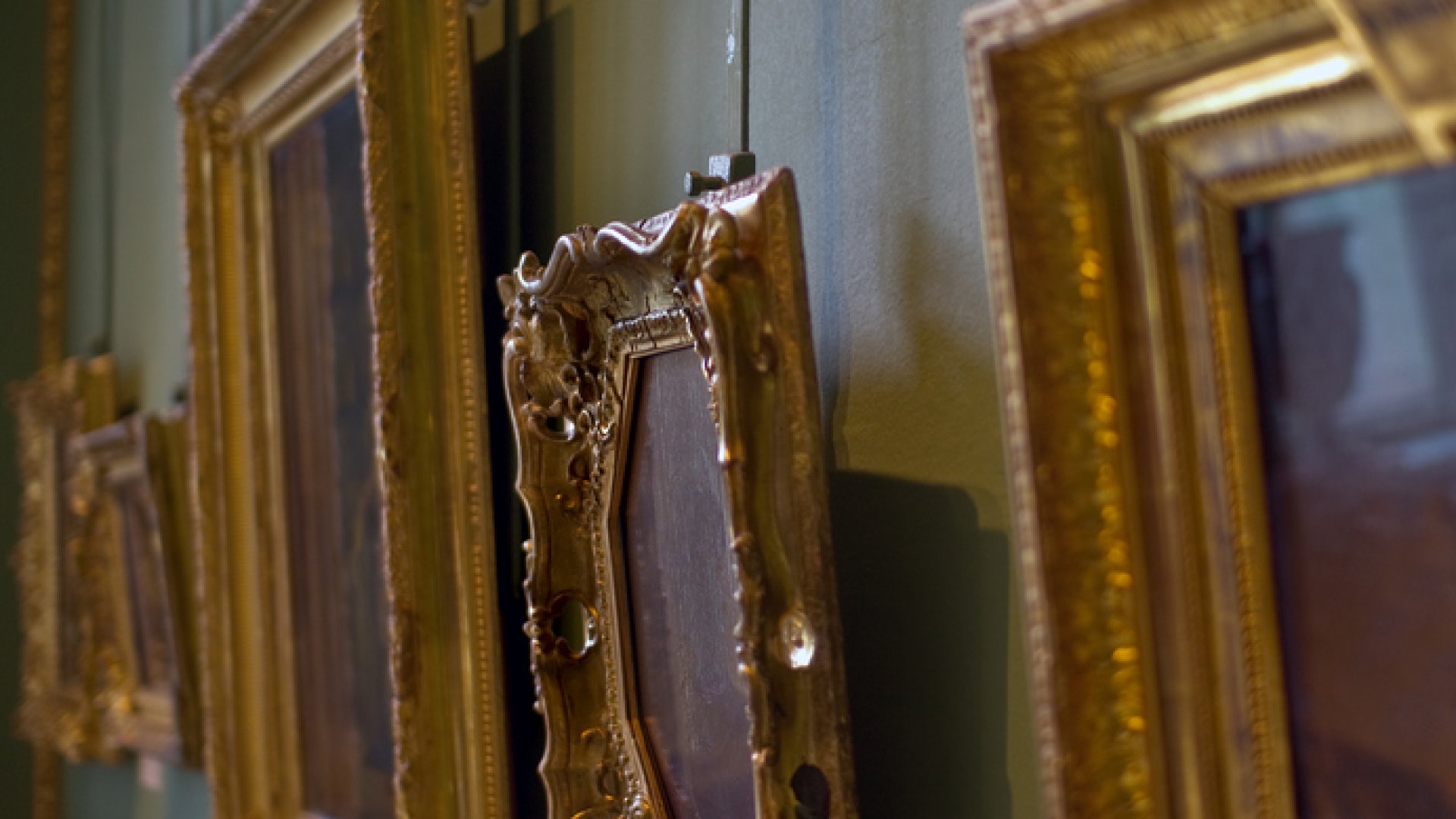
This is precisely what makes the Ajka Crystal Museum special: it does not simply display objects arranged in glass cases, but presents a creative world where every piece has its own “story.”
A brief history of the Ajka Crystal Museum – how did the factory gain worldwide recognition?
The story of the Ajka Crystal Museum began in 1878, when Bernát Neumann founded the factory and invited Bavarian and Saxon glassmakers to Ajka to establish high-quality production. By the turn of the century, the factory had developed significantly, exporting its products to America, India, and Germany. Although the world wars caused serious difficulties, the factory survived. After nationalization in 1948, world-famous lead crystal production began, supported by technological developments such as natural gas firing, larger furnaces, and more advanced cutting techniques. The factory gained international recognition and became a worthy competitor to renowned manufacturers such as Bohemia and Nachtmann.
After the political transition: export growth, global success, Ajka prestige
An important chapter of the modern era began in 1990, after the political transition, when Ajka Crystal became part of the Fotex Group. This period was strongly export-oriented, with 96% of production sold abroad. The cut and engraved glasses and decorative objects symbolized prestige in many countries — and not by chance. Production continued to rely on handcraft traditions, and sophistication was evident in every single piece. The Ajka Crystal Museum preserves and presents the material heritage, atmosphere, and object culture of this period in a worthy way, ensuring that one of Ajka’s most significant industrial values is not forgotten.
Ajka Crystal Museum today – open to visitors by prior appointment
What makes the Ajka Crystal Museum unique today is that it does not offer a quick, walk-through museum experience. Instead, it provides a journey through time, allowing visitors to observe up close the fine details and artistic approach behind each creation. It is important to note that the museum can be visited by prior appointment, so planning ahead is recommended.
Booking hours: Monday to Friday, 10:00 AM – 4:00 PM If you are visiting Ajka, the Ajka Crystal Museum is a program that can easily be included in a short weekend getaway — offering an additional experience beyond the standard tourist attractions.
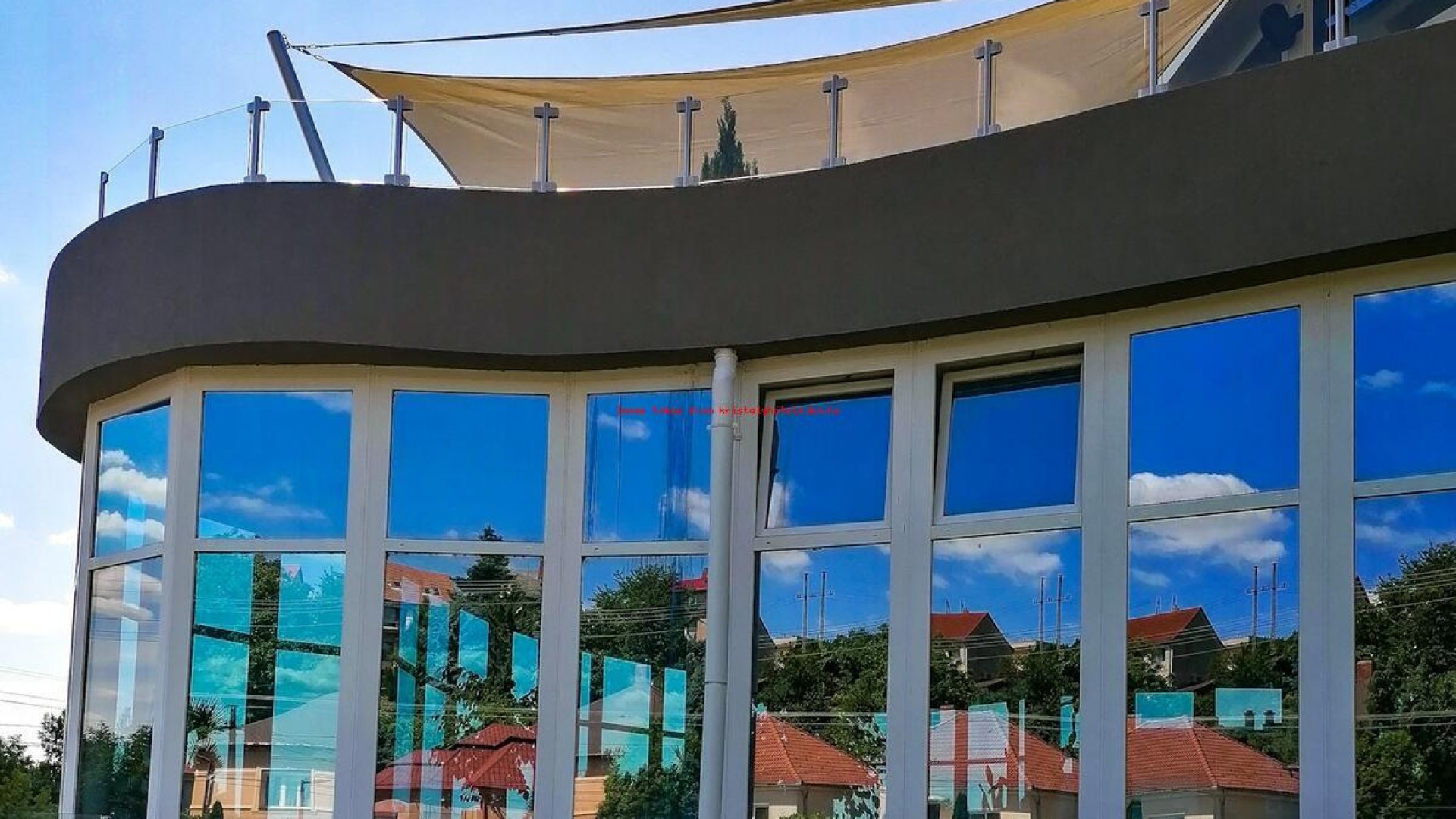
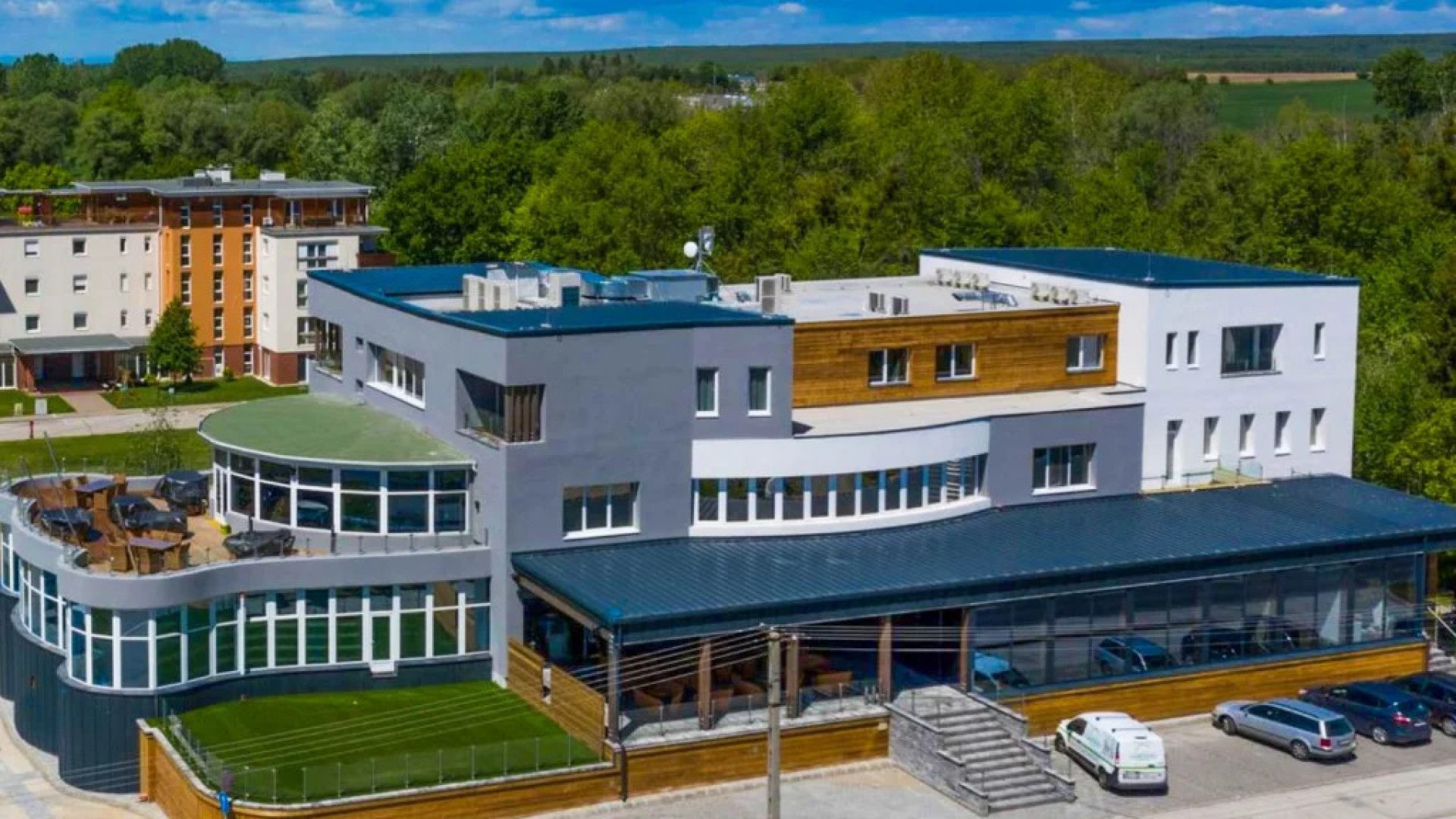
If you are in Ajka: Kristály Hotel Ajka
After such a cultural experience, many visitors prefer to end the day in comfort and relaxation. If you are already in Ajka, it is worth choosing one of the area’s most modern accommodation options. A visit to the Ajka Crystal Museum pairs perfectly with a hotel that matches its sense of quality and refined atmosphere. Kristály Hotel Ajka is one of the region’s modern and comfortable accommodation choices — making the museum visit part of a complete and memorable getaway.